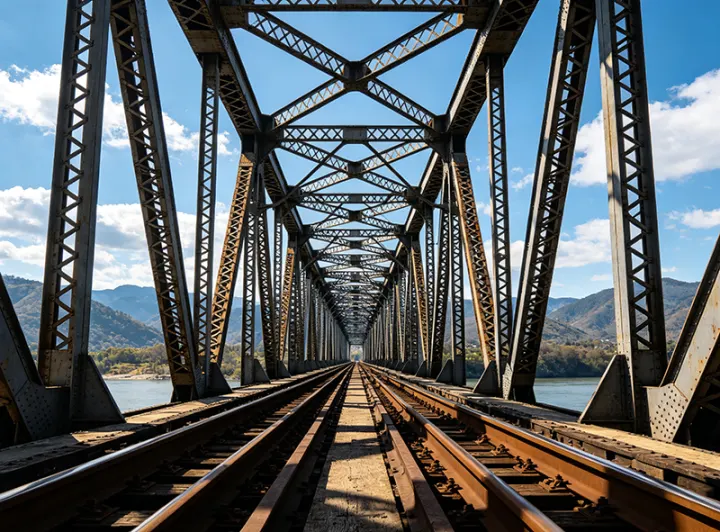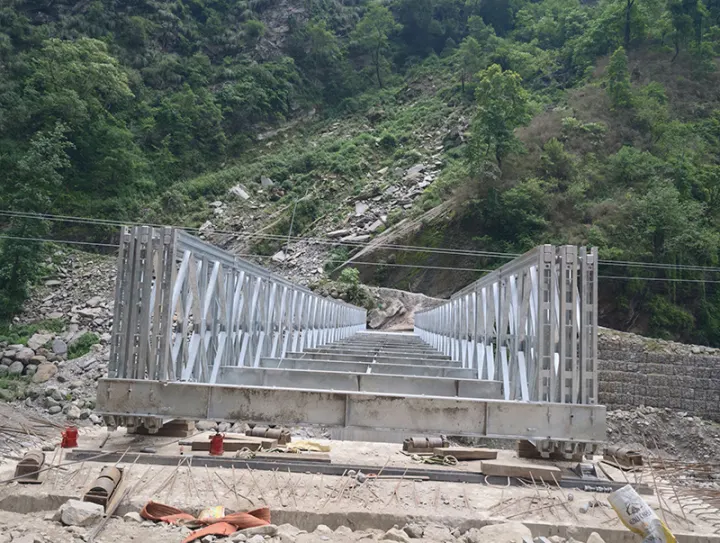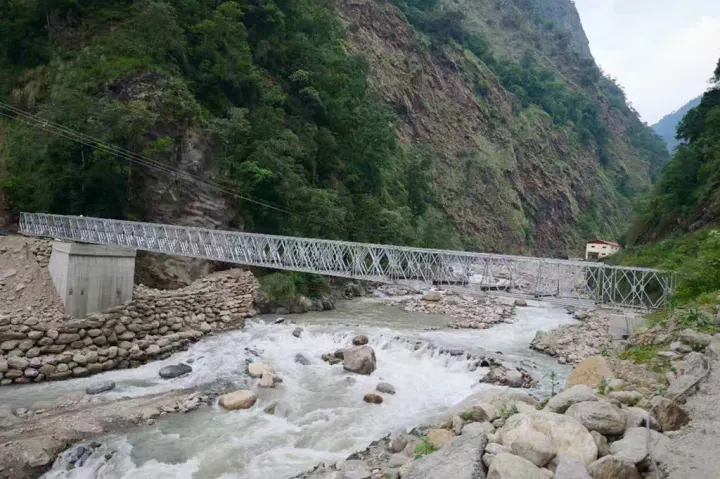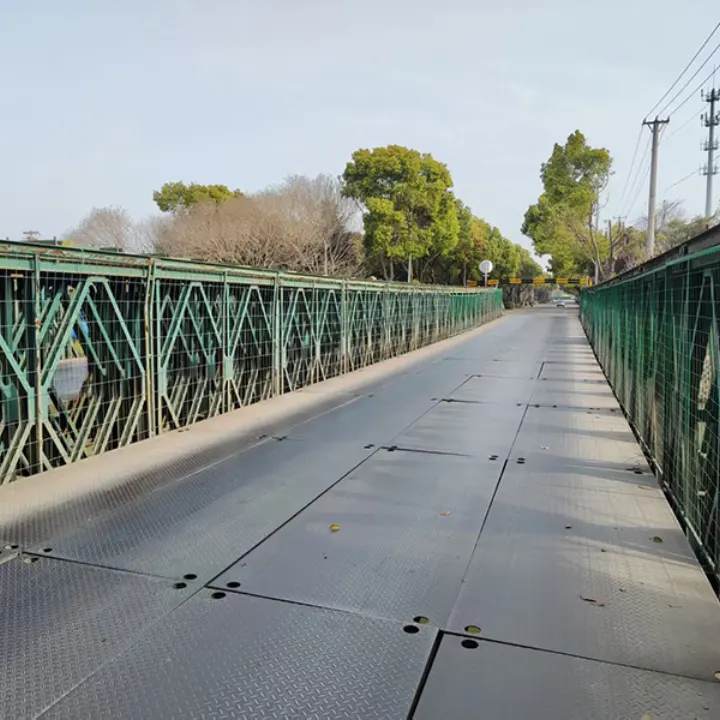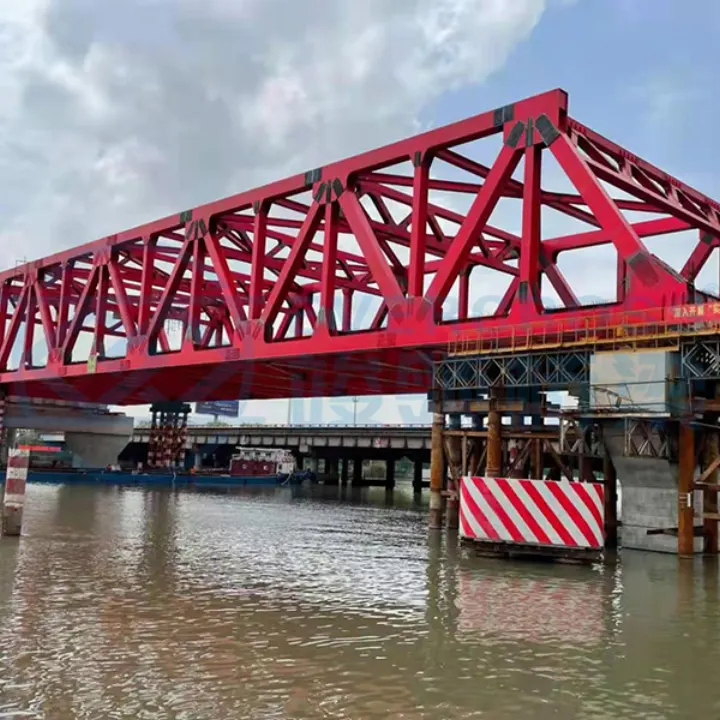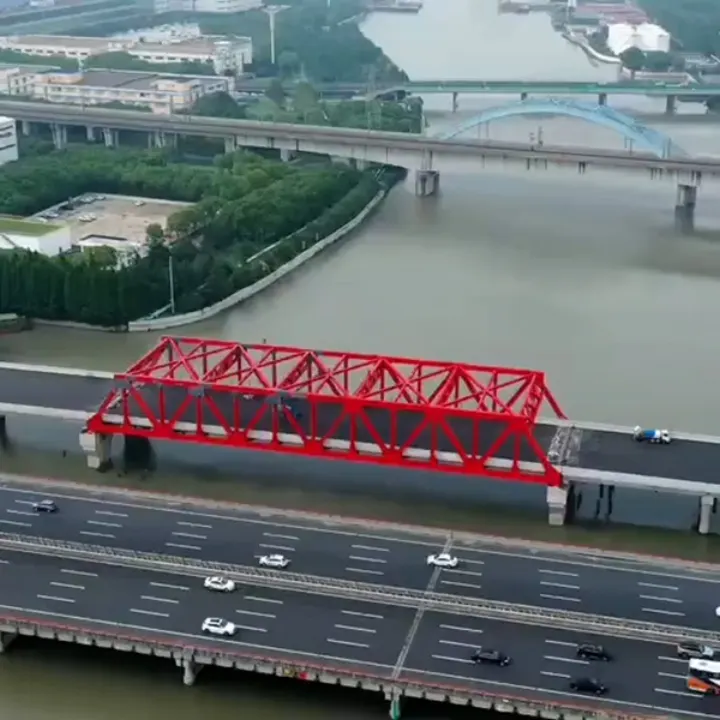
Permanent steel bridges are the part of the market where the specification, not the price, decides who wins. A truss, arch, box girder or cable-stayed structure is bought once and inspected for a century, so the buyer’s real question is not “what does it cost per tonne” but “will this design still be defensible in 2056”.
Span ranges and where each type stops making sense
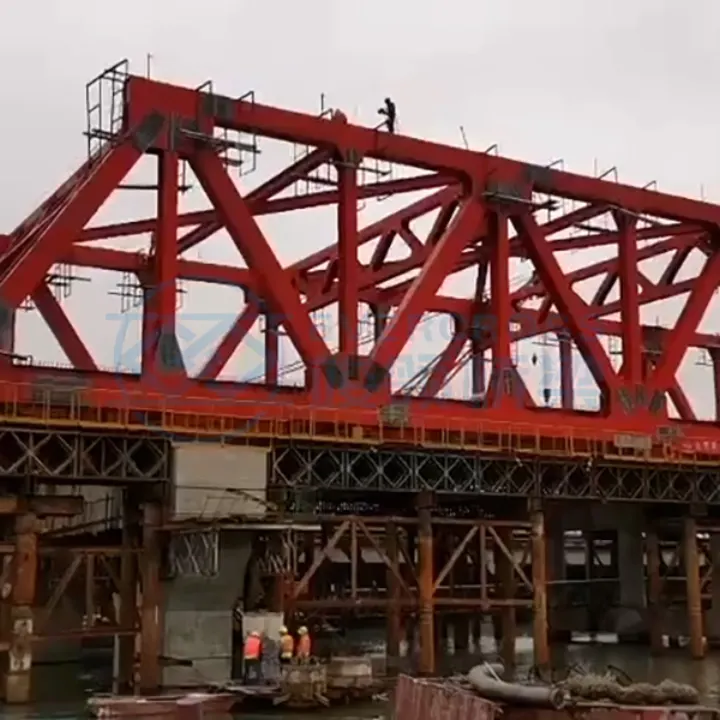
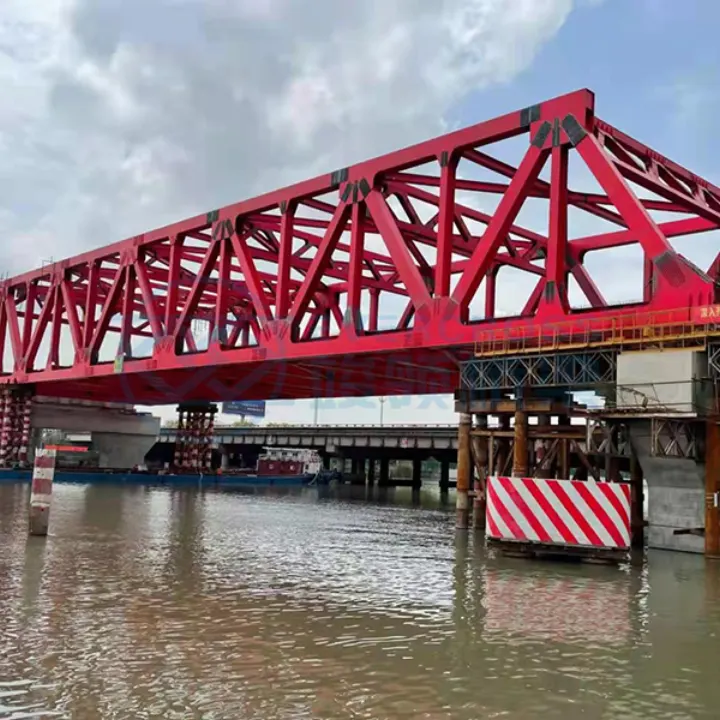
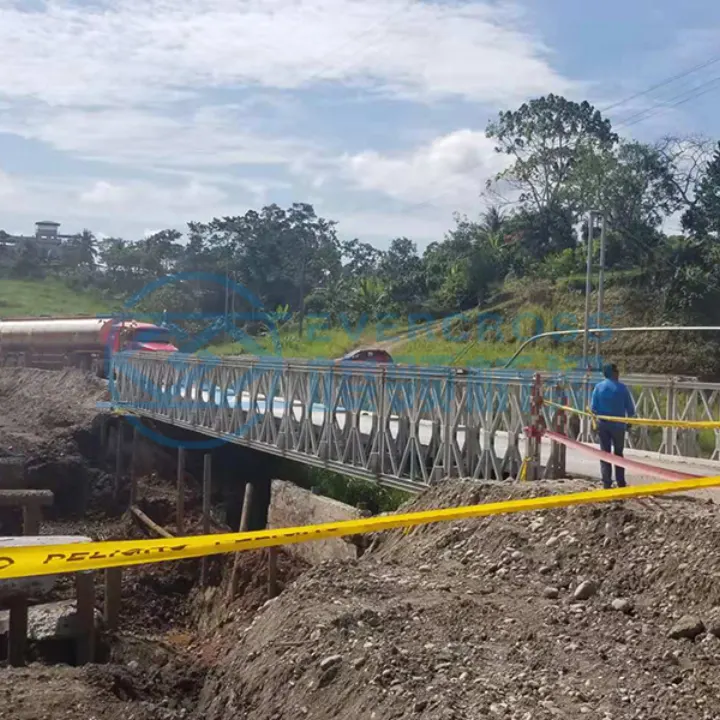
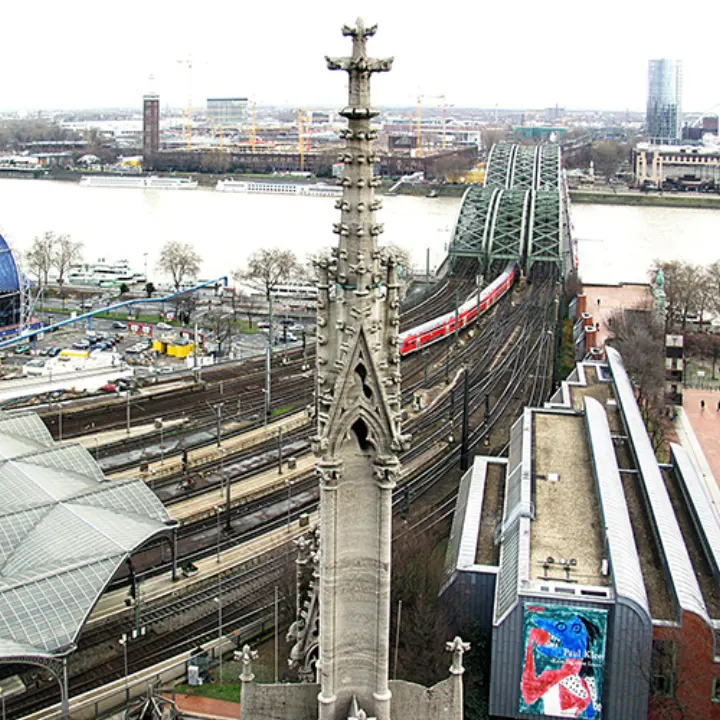
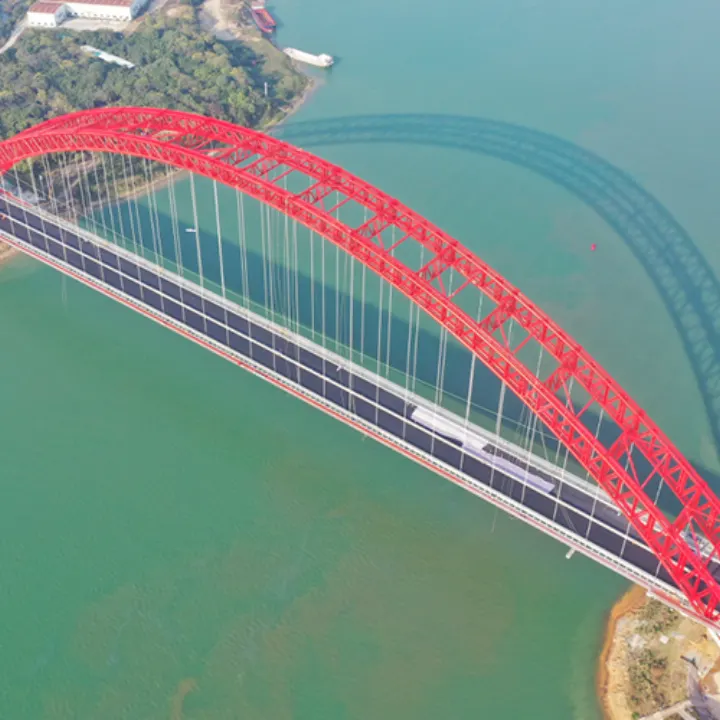
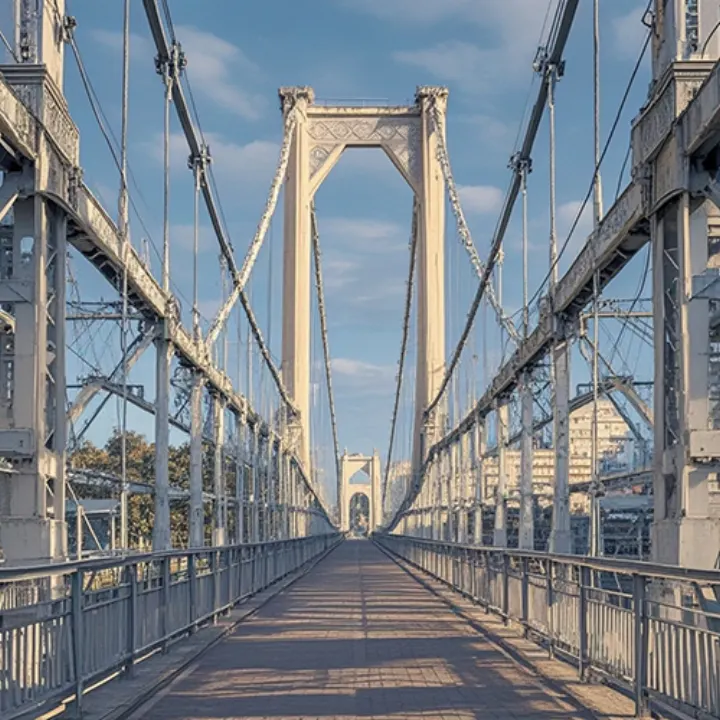
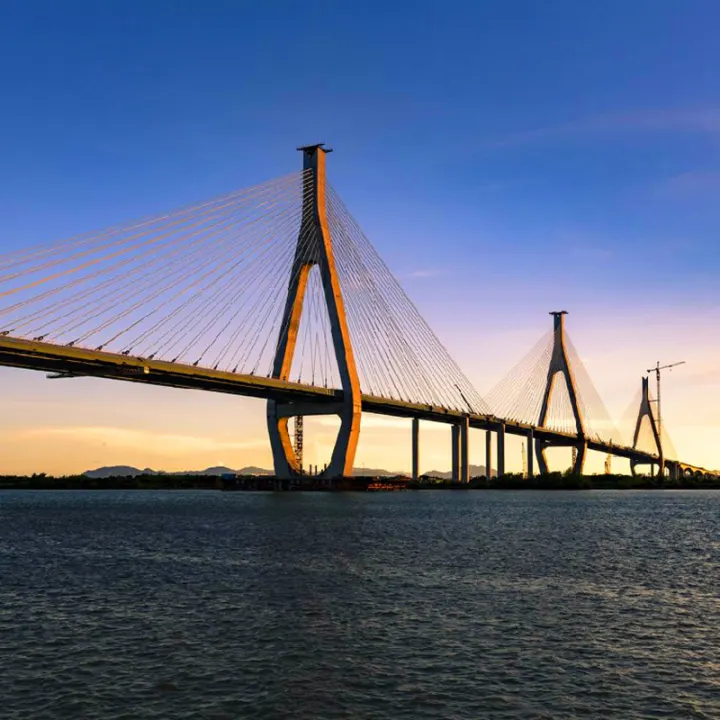
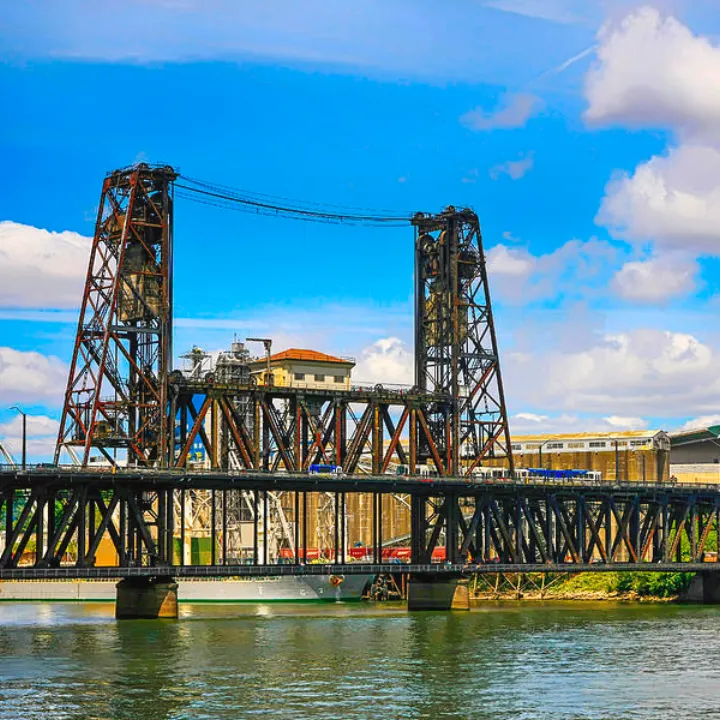
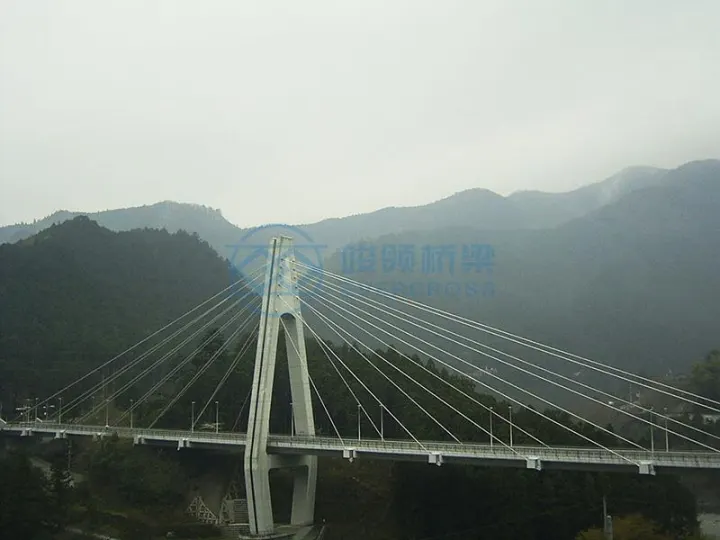
Plate and box girders own the 20–60 m range on road schemes: simple to fabricate, simple to erect, easy to inspect. Trusses take over from about 50 m to 120 m, and are still the cheapest solution for railway spans because of their stiffness. Arches work best where the geology can take horizontal thrust — 60–200 m. Cable-stayed and suspension structures start where the ground cannot: long crossings, deep valleys, wide rivers.
The load model is the whole conversation
AASHTO LRFD, BS 5400, Eurocode EN 1993 and national codes such as China’s JTG D64 all describe the same physics with different numbers. The differences that matter in practice are the design truck and lane load, the dynamic allowance, the fatigue detail categories, and the deflection limit (L/800 for highway, tighter for rail). A design that satisfies one code does not automatically satisfy another — the fatigue check alone can change plate thicknesses by 20 %.
Fabrication quality is the hidden variable
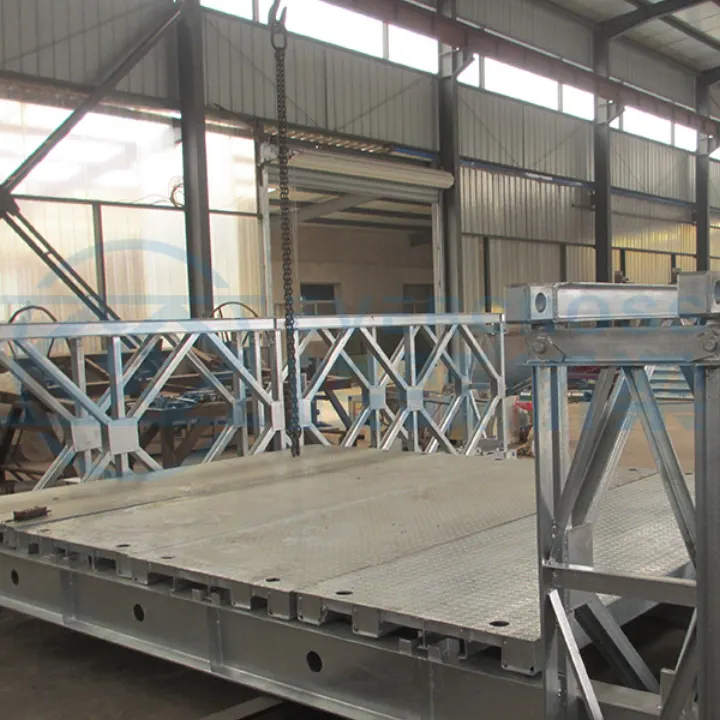
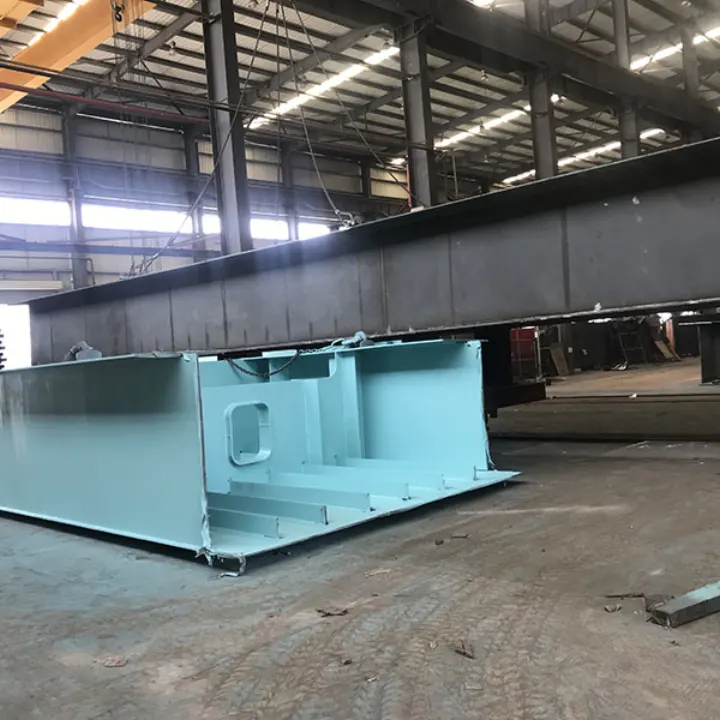
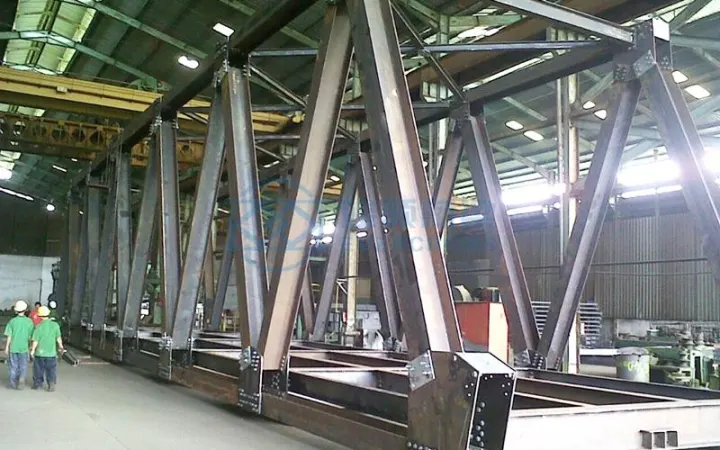
Two fabricators can quote the same drawing and deliver different bridges. What separates them is welder qualification to ISO 9606 or AWS D1.1, WPS/PQR documentation, NDT coverage (UT and MT on complete-joint-penetration welds), dimensional tolerance, and whether the shop actually follows its own ITP. Ask for the welding procedure and the NDT reports before asking for the price.
Corrosion protection defines the maintenance bill
Hot-dip galvanizing gives 25–40 years in a rural environment and less near the coast. Duplex systems (galvanizing plus paint) add 20 years and a colour. Weathering steel is beautiful and unsuitable in coastal chloride environments. For a 100-year design life, the coating decision is a lifecycle cost calculation, not a finish choice.
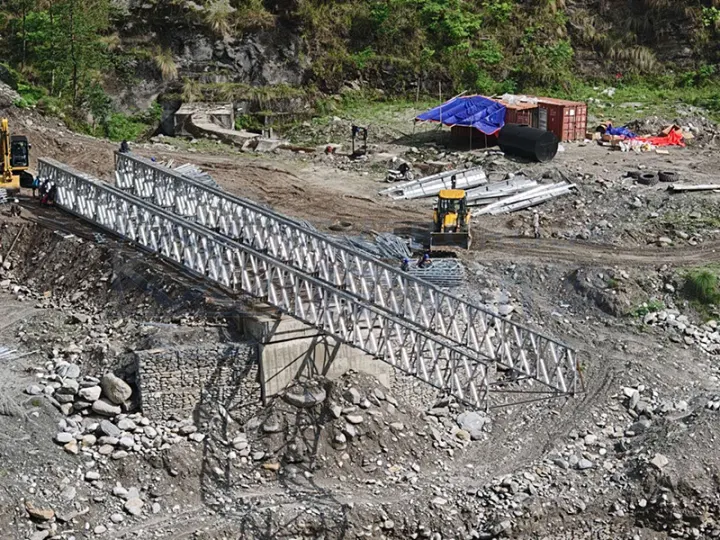
Erection method must be designed, not improvised
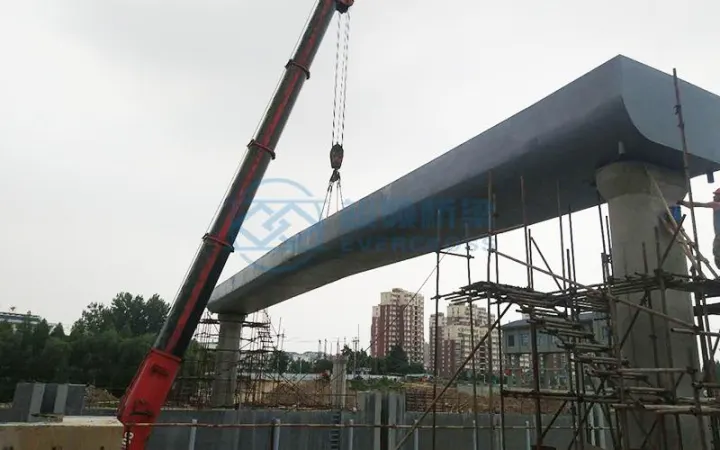
Whether the bridge is craned, launched, floated or built on falsework determines temporary works, splice positions and even segment lengths. Designs that ignore erection sequencing generate the most expensive change orders on site.