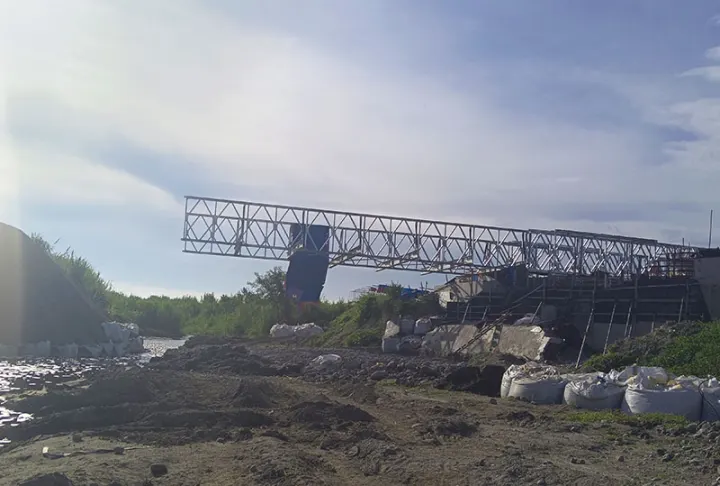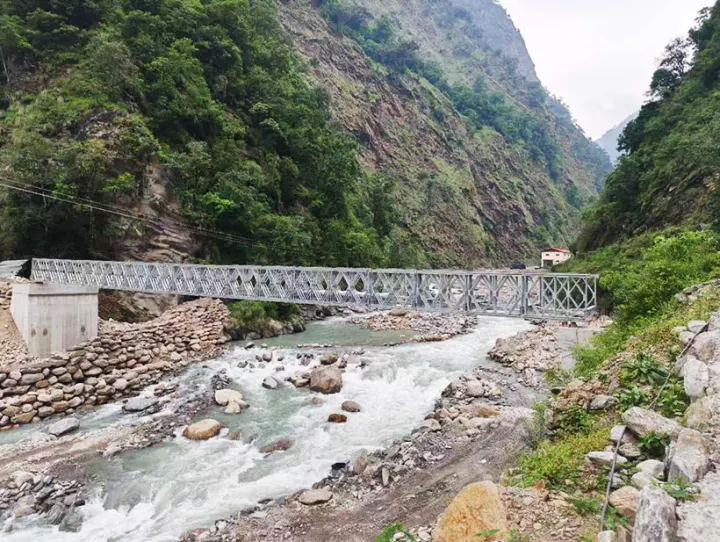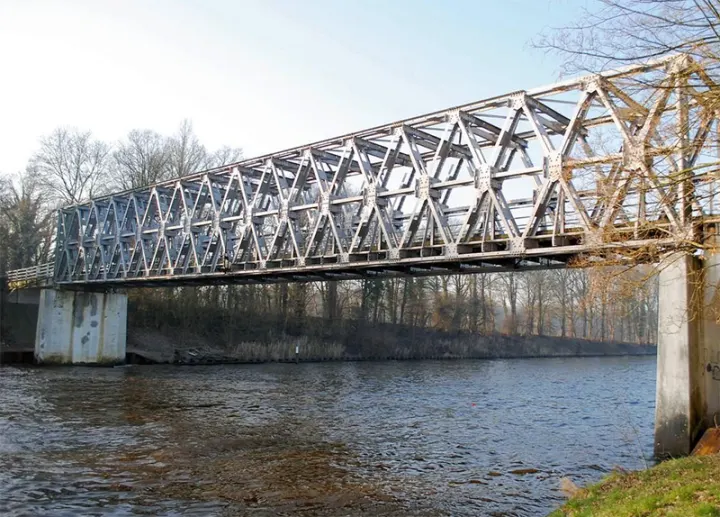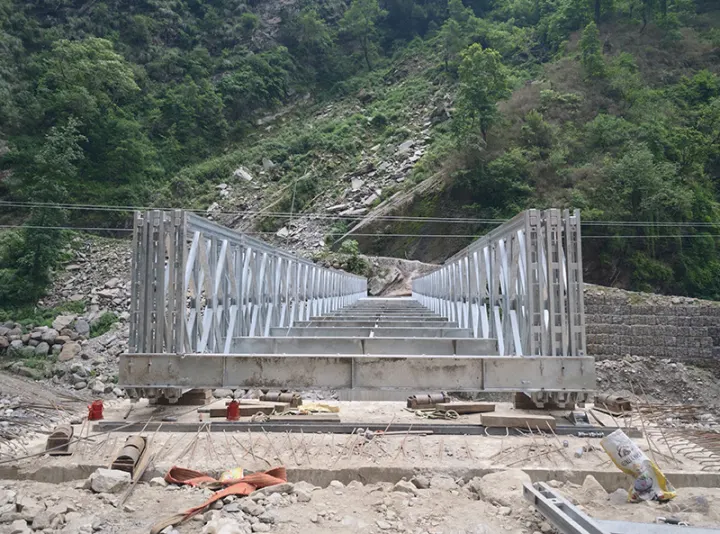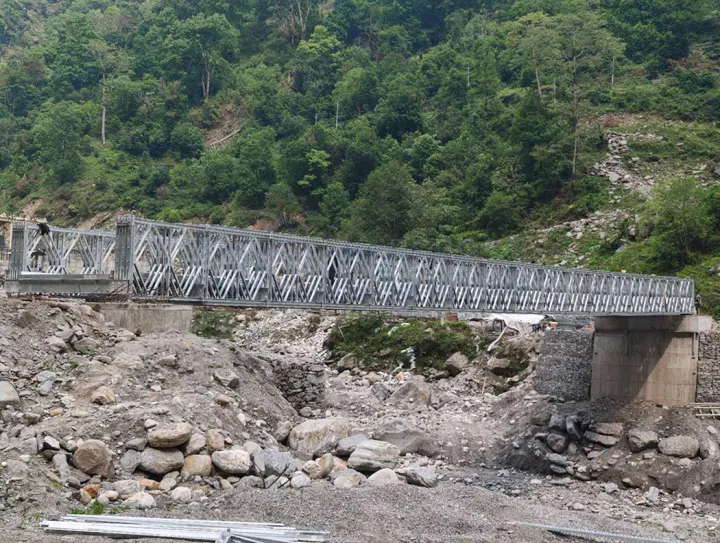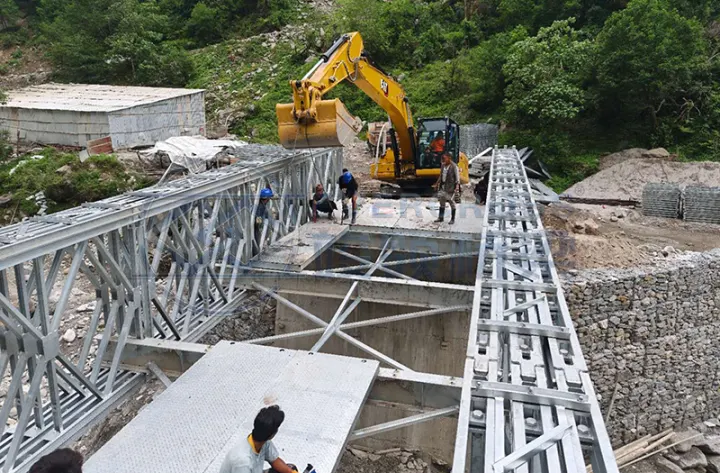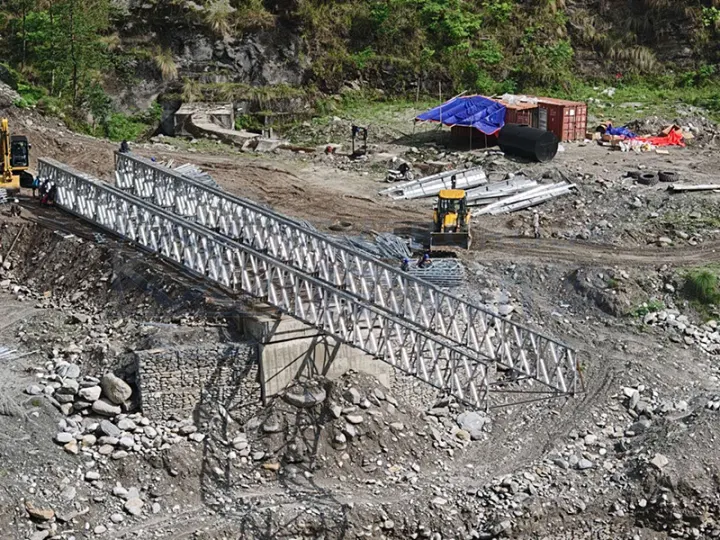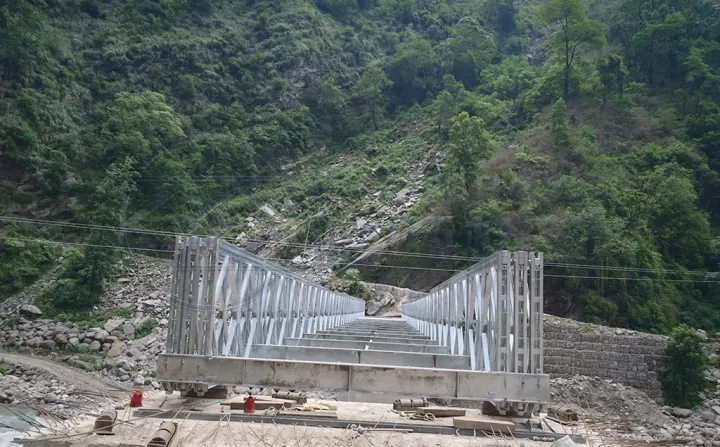
Emergency bridge work has one rule that overrides every other consideration: the bridge must be open before the political pressure peaks. That window is usually 72 hours to three weeks. Everything in an emergency specification — the span, the deck, the foundation, even the paint system — has to be justified against that clock.
Why emergency spans are usually shorter than they need to be
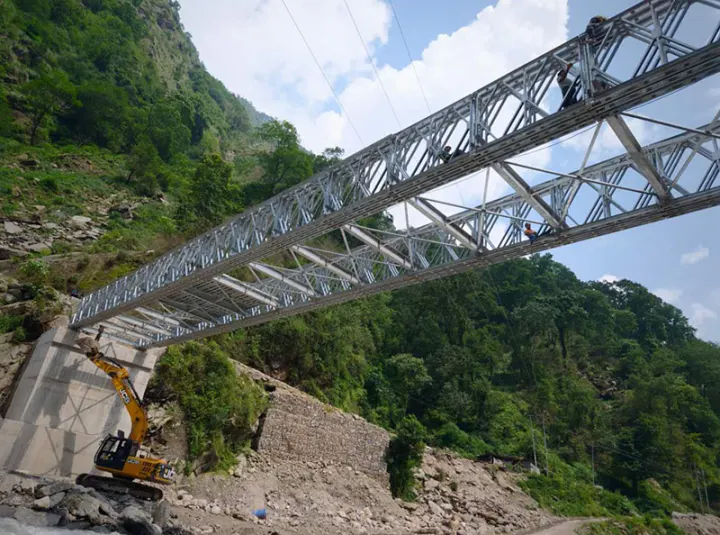
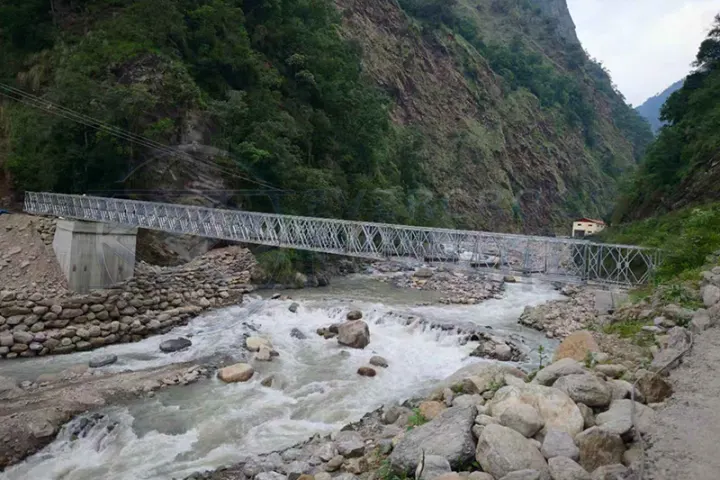
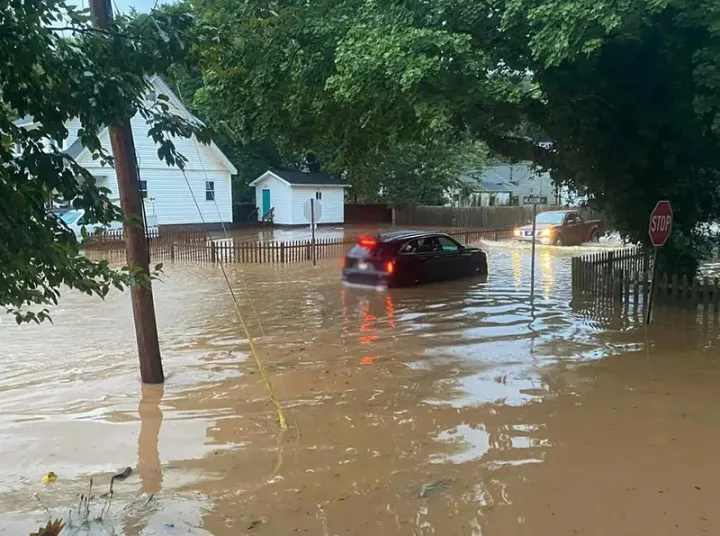
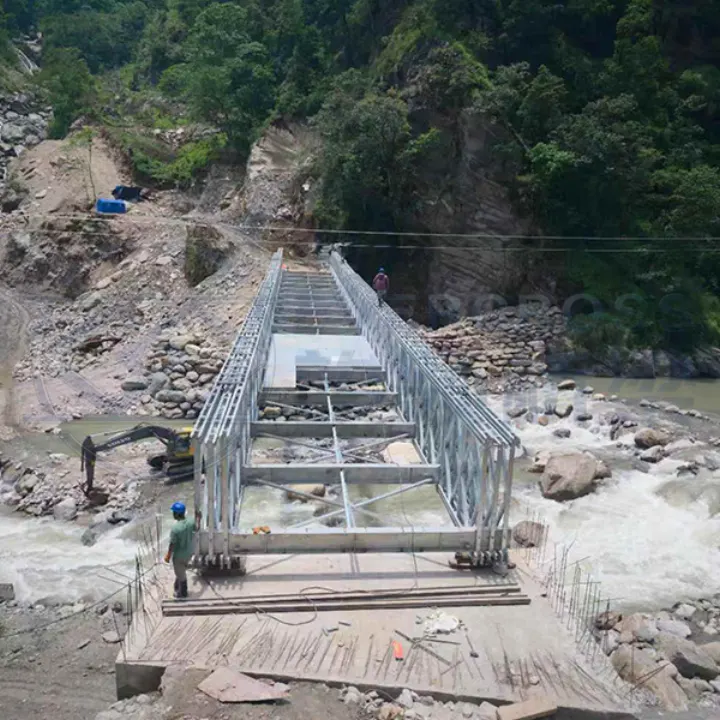
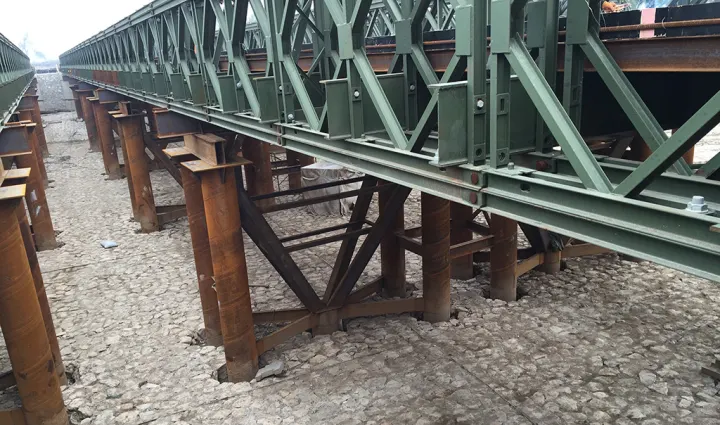
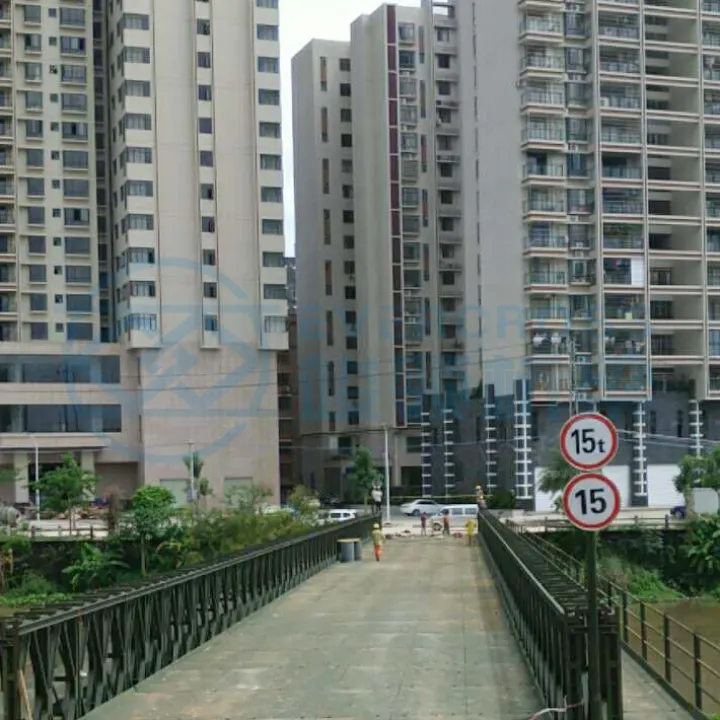
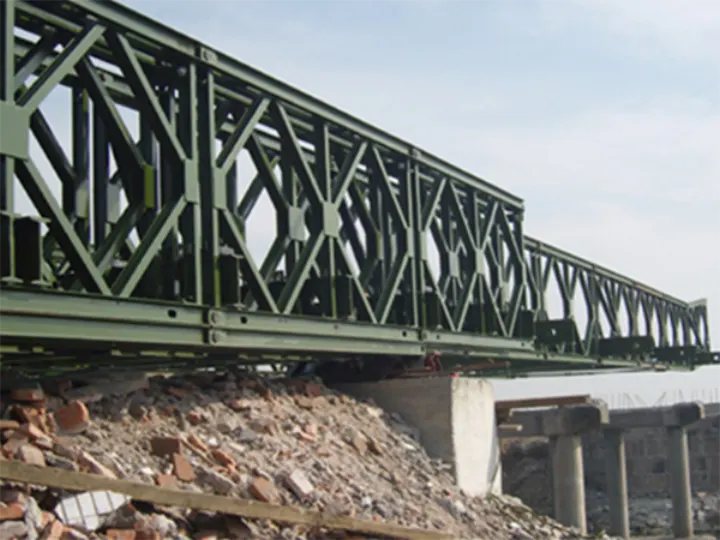
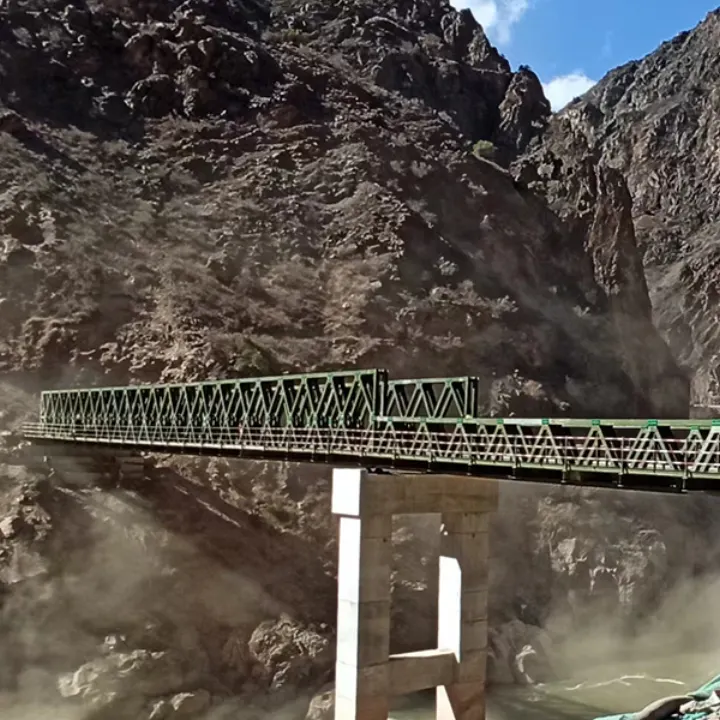
After a flood or an earthquake, the gap is often wider than the damaged culvert or the washed-out approach. Teams that design to the original opening get a bridge that fits the old alignment but not the new scour hole. The practical answer is a single span that clears the entire damage zone, even if that means 60 m instead of 20 m — a longer single span eliminates the pier that would otherwise sit in a river that has already proved it can move.
What to specify when there is no time to survey
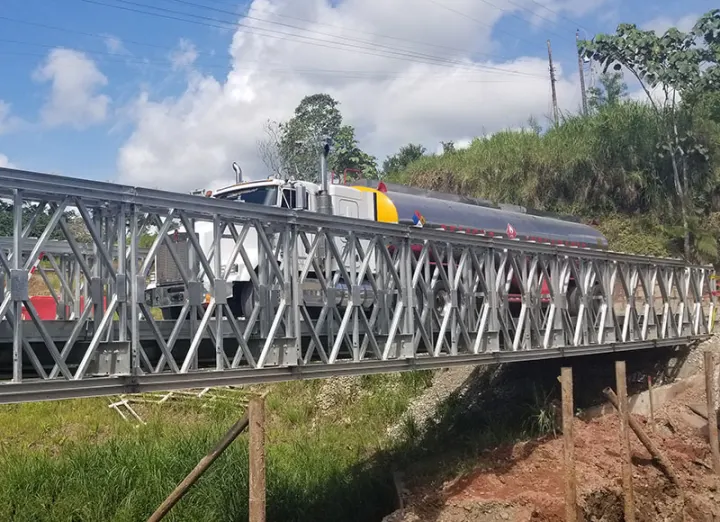
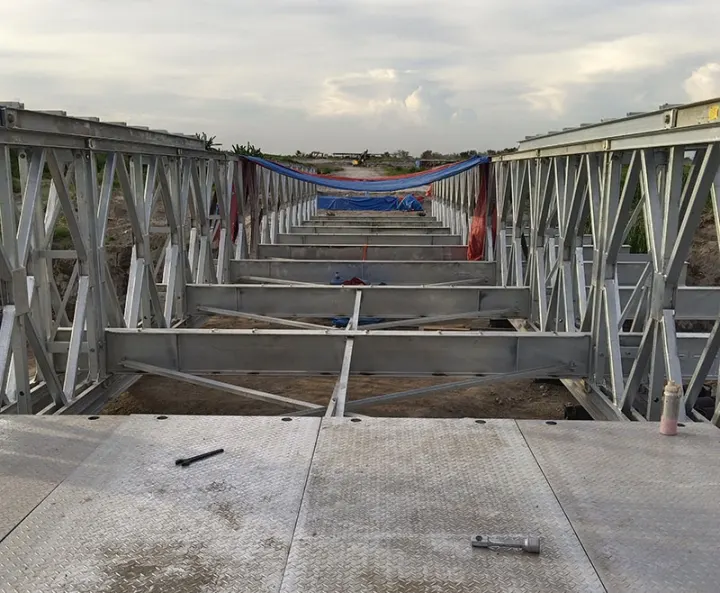
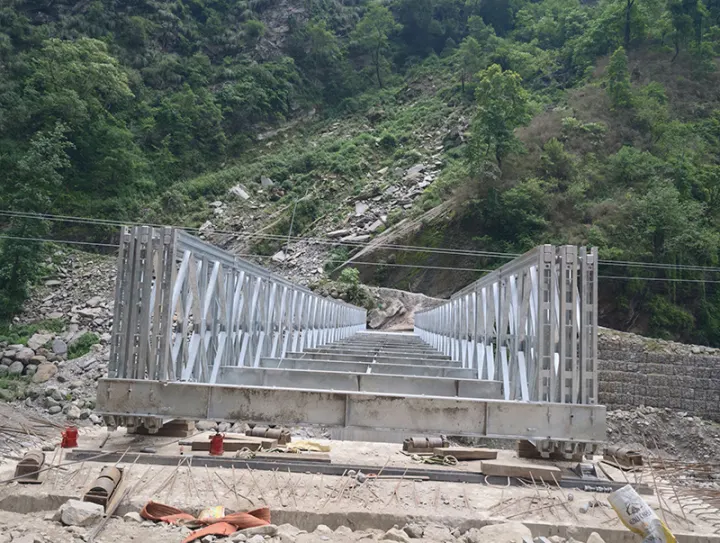
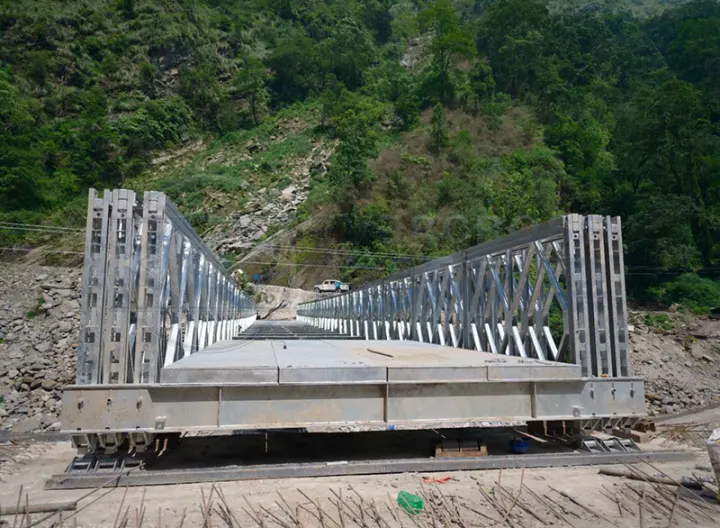
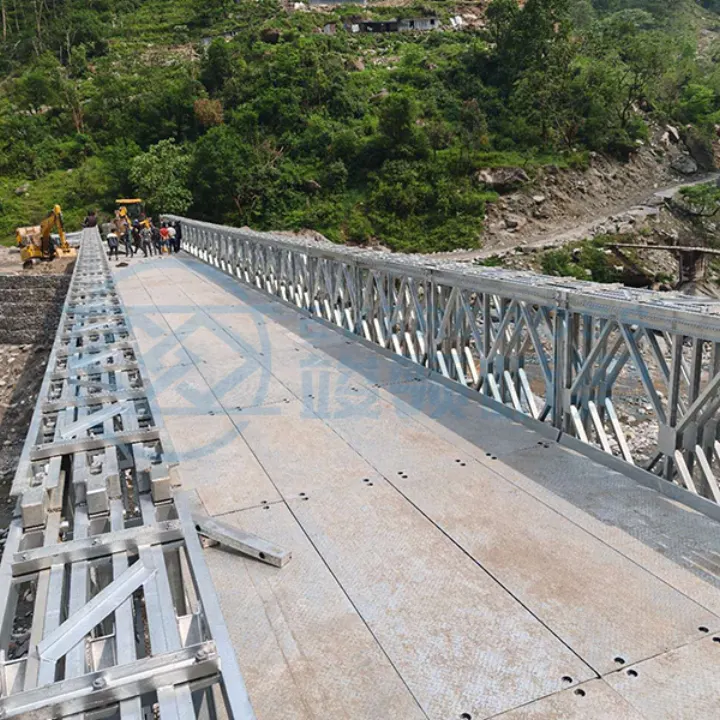
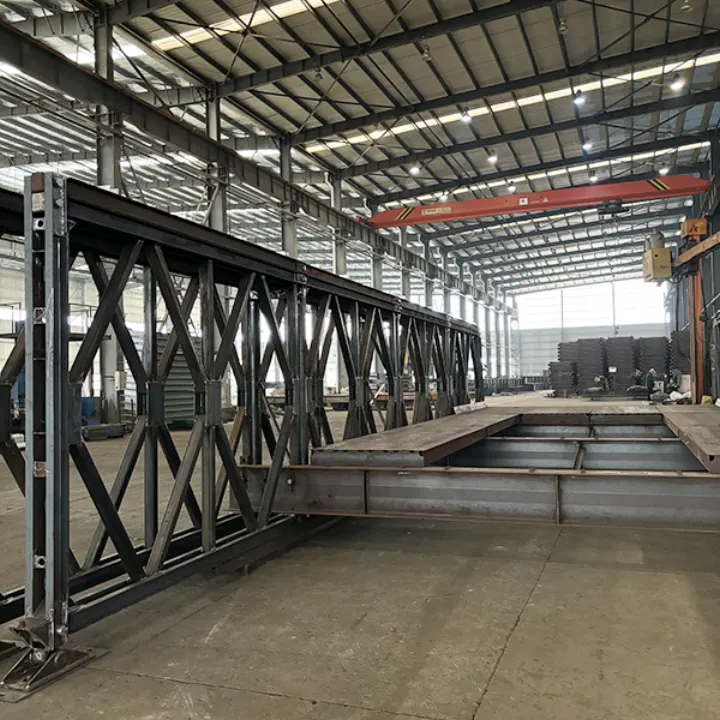
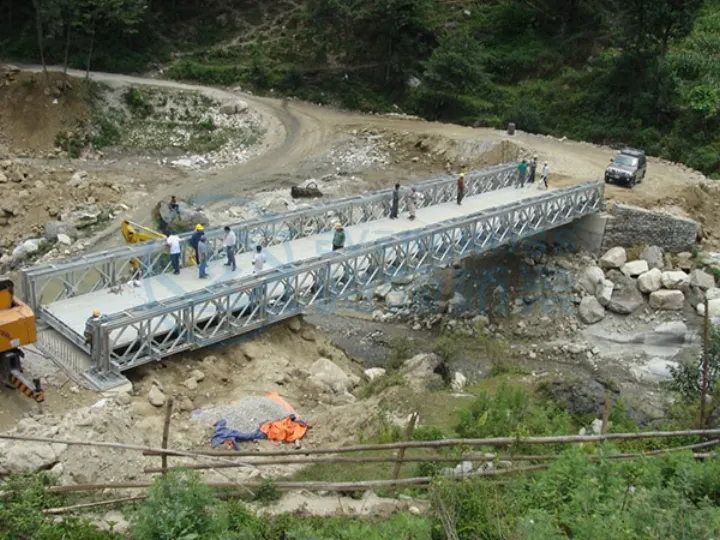
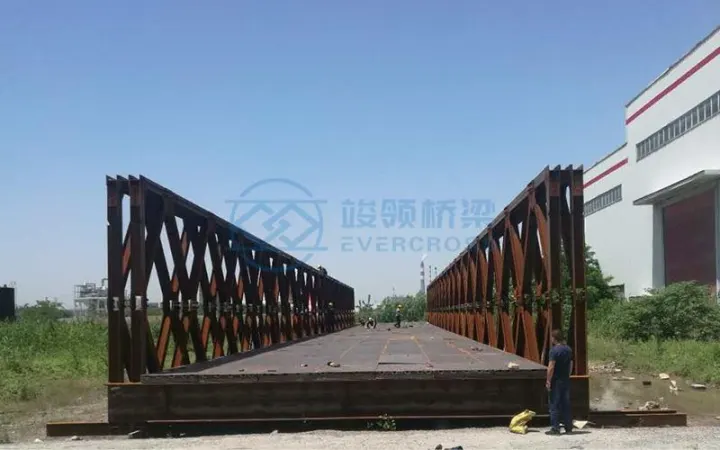
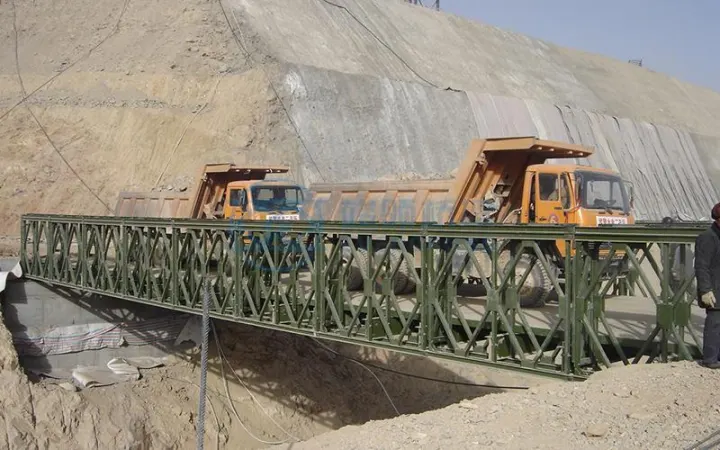
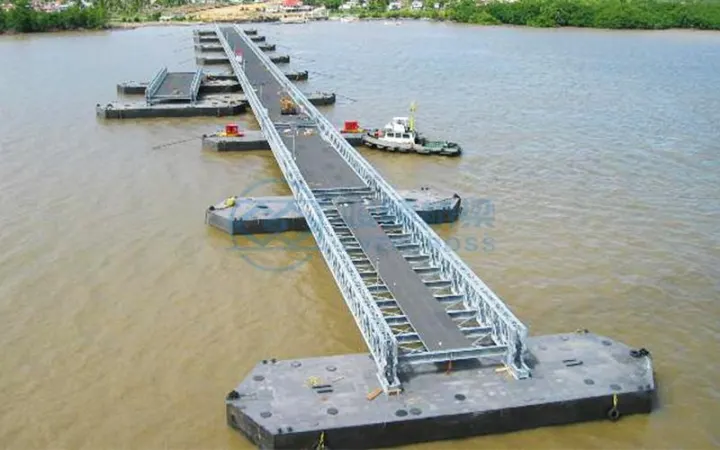
When a site cannot be reached, the specification has to be robust to assumptions. Ask for: a modular system that can be assembled in 3 m increments, a load class at least one step above the design vehicle (emergency traffic is always overloaded), a deck that can be laid without crane access, and a launch method that does not need a bank on the far side. Those four constraints rule out most permanent-bridge designs and point straight at panel and modular systems.
Stock, not speed, is the real constraint
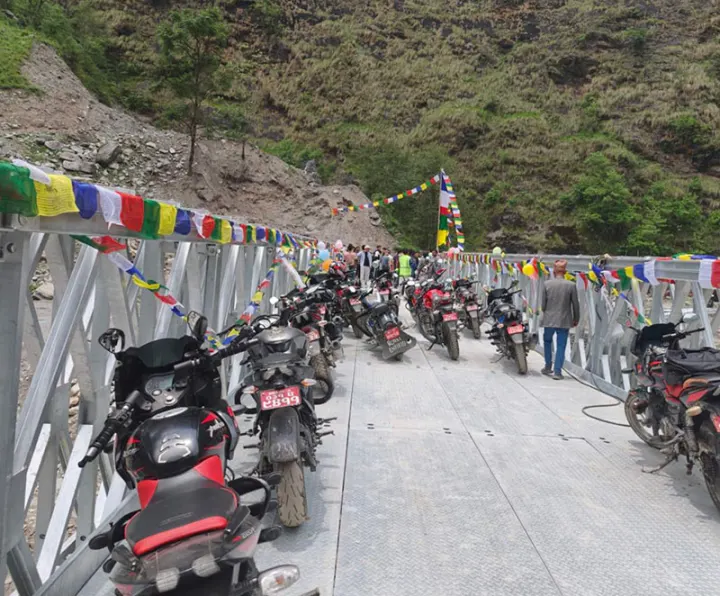
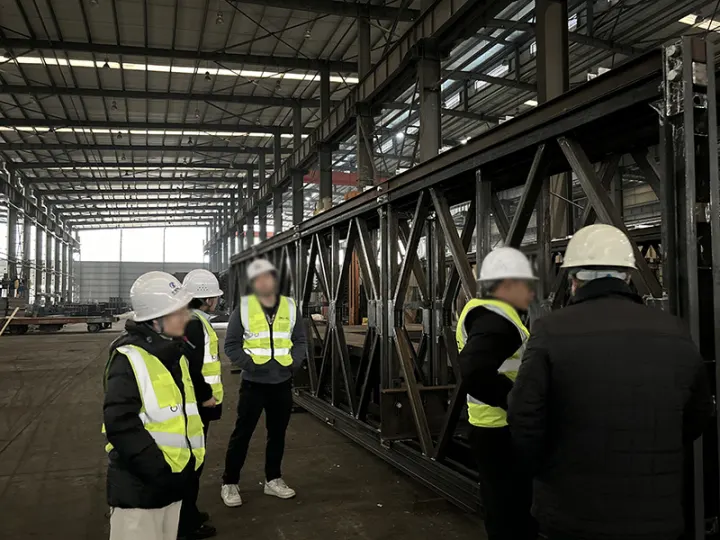
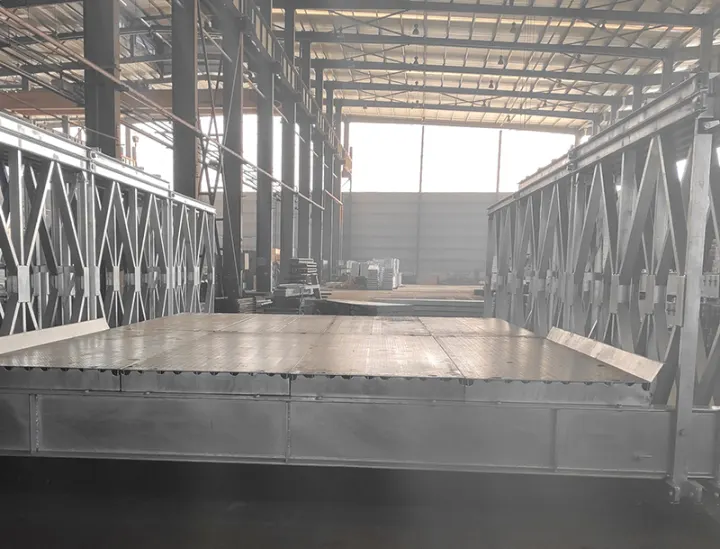
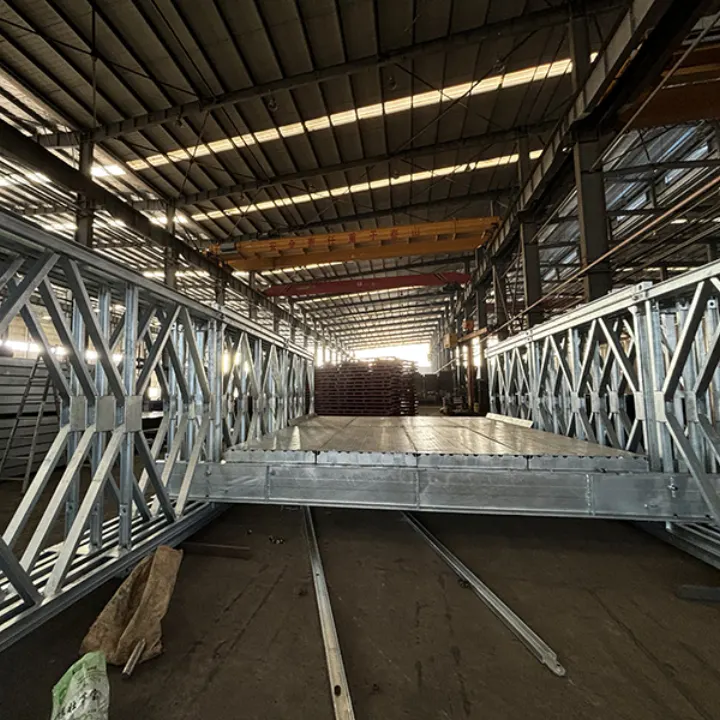
A manufacturer can ship in weeks. A government that needs a bridge in 72 hours needs it already in a warehouse. That is why agencies from the Philippines to Nepal keep national emergency stocks of modular panels, and why the useful question is not “how fast can you build” but “how many metres can you deliver from stock, and who trains the crew that erects it”.
After the emergency
The bridge that saved the valley in week one becomes permanent infrastructure by year three. Design decisions made under pressure — undersized abutments, no expansion joints, timber deck left in place — turn into a maintenance liability. The cheapest time to fix them is at specification, not after the ribbon cutting.